Building a High-Performance Educational Platform in Just Two Weeks: Lessons from Rekenen Doe Je Zo!

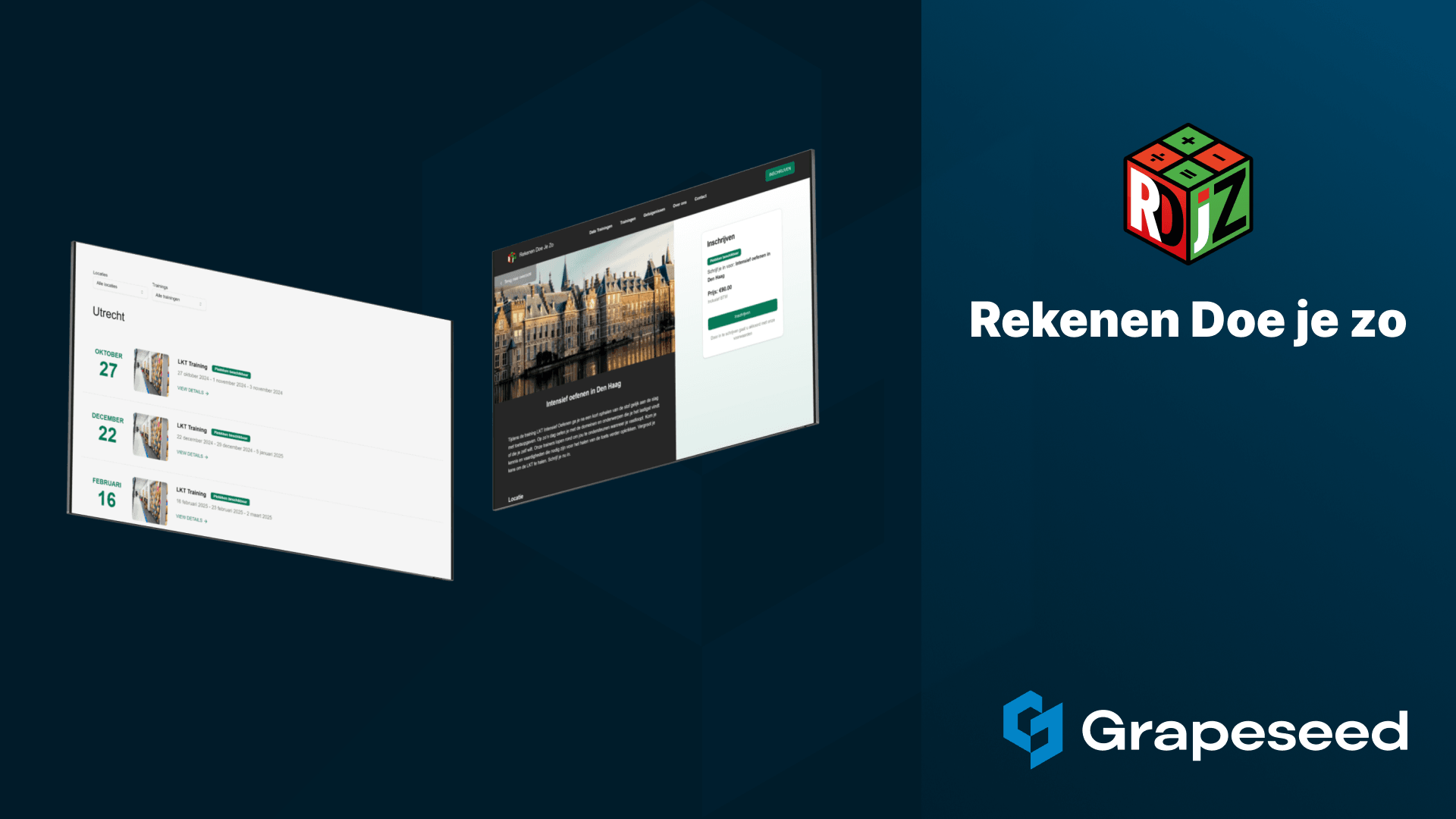
When Rekenen Doe Je Zo! approached us with an ambitious request (build a complete educational platform in just two weeks), we knew we were in for a challenge. But sometimes, the tightest deadlines lead to the most innovative solutions.
In this post, I'll share the strategies, technologies, and lessons learned from delivering a high-performance educational platform that now serves aspiring PABO teachers across the Netherlands.
The Challenge: Speed vs. Quality
Two weeks. That's all we had to build a platform that could:
- Handle course enrollments across multiple locations
- Compete with established players in the education space
- Deliver lightning-fast performance on all devices
- Scale for future growth
The traditional waterfall approach wasn't going to work. We needed a strategy that prioritized both speed and quality.
Our Rapid Development Strategy
1. Technology Stack Selection
Choosing the right tools was crucial. We opted for:
- Next.js 14 - For server-side rendering and static generation out of the box
- Tailwind CSS - Rapid styling without custom CSS overhead
- Strapi CMS - Quick content management setup
- Stripe - Reliable payment processing with minimal integration time
Why these choices? Each technology offered maximum functionality with minimal setup time while maintaining professional standards.
2. MVP-First Approach
Instead of building everything at once, we identified the core features:
- Course discovery and information
- Location-based enrollment
- Payment processing
- Mobile-responsive design
Everything else became "nice-to-have" features for future iterations.
3. Component-Driven Development
We built a reusable component library from day one:
// Example: Reusable CourseCard component
function CourseCard({ course, location }) {
  return (
    <Card className="hover:shadow-lg transition-shadow">
      <CardContent>
        <h3>{course.title}</h3>
        <p>{location.city}</p>
        <Button>Enroll Now</Button>
      </CardContent>
    </Card>
  );
}
This approach allowed us to maintain consistency while building features in parallel.
Performance: The Non-Negotiable
Speed wasn't optional; it was essential. Here's how we achieved 95+ Lighthouse scores:
Server-Side Rendering (SSR)
Next.js allowed us to pre-render pages, ensuring instant content delivery:
// Static generation for course pages
export async function getStaticProps({ params }) {
  const course = await getCourseData(params.slug);
  return {
    props: { course },
    revalidate: 3600, // Regenerate every hour
  };
}
Image Optimization
Every image was optimized using Next.js Image component:
<Image
  src="/course-image.jpg"
  alt="Course preview"
  width={800}
  height={400}
  priority={true}
  placeholder="blur"
/>
Code Splitting
We implemented automatic code splitting to load only what users needed:
// Dynamic imports for heavy components
const PaymentModal = dynamic(() => import("./PaymentModal"), {
  loading: () => <LoadingSpinner />,
});
Mobile-First Design Philosophy
With education increasingly happening on mobile devices, we prioritized mobile experience:
Responsive Breakpoints
/* Tailwind classes for responsive design */
<div className="grid grid-cols-1 md:grid-cols-2 lg:grid-cols-3">
  {courses.map(course => <CourseCard key={course.id} course={course} />)}
</div>
Touch-Friendly Interfaces
Every interactive element was designed for touch:
- Minimum 44px touch targets
- Swipe-friendly carousels
- Optimized form inputs for mobile keyboards
Scalability from Day One
Even under time pressure, we built with growth in mind:
Modular Architecture
src/
├── components/
│   ├── common/
│   ├── course/
│   └── payment/
├── pages/
├── lib/
│   ├── api/
│   ├── utils/
│   └── types/
└── styles/
API Design
RESTful endpoints that could handle increasing load:
// Scalable API structure
export async function getCourses(filters: CourseFilters) {
  const cacheKey = generateCacheKey(filters);

  // Check cache first
  const cached = await redis.get(cacheKey);
  if (cached) return JSON.parse(cached);

  // Fetch from database
  const courses = await db.courses.findMany({
    where: filters,
    include: { locations: true },
  });

  // Cache for future requests
  await redis.setex(cacheKey, 3600, JSON.stringify(courses));

  return courses;
}
The Results: Numbers Don't Lie
The platform launched on schedule and delivered impressive results:
- 95+ Lighthouse Performance Score
- 35% increase in course enrollments in the first month
- 50% reduction in bounce rate compared to the old site
- Zero downtime since launch
But the most important metric? Client satisfaction.
"The website has transformed how we connect with students. It's simple, fast, and just works!" >Giovanni Tromp, Rekenen Doe Je Zo!
Key Lessons for Rapid Development
1. Choose Battle-Tested Technologies
Don't experiment with new tech under tight deadlines. Stick to proven solutions.
2. Define Clear Boundaries
Know exactly what's in scope and what isn't. Feature creep is the enemy of deadlines.
3. Automate Everything
Set up CI/CD, automated testing, and deployment from day one. Manual processes slow you down.
4. Communicate Constantly
Daily standups, shared documents, and clear progress tracking keep everyone aligned.
5. Plan for Post-Launch
Build with maintenance and future development in mind. Technical debt slows future iterations.
Technical Deep Dive: Performance Optimizations
For those interested in the technical details, here are specific optimizations we implemented:
Bundle Analysis
# Analyzing bundle size
npx @next/bundle-analyzer
We identified and eliminated unnecessary dependencies, reducing bundle size by 40%.
Database Optimization
-- Indexed frequently queried columns
CREATE INDEX idx_courses_location ON courses(location_id);
CREATE INDEX idx_enrollments_date ON enrollments(created_at);
CDN Implementation
All static assets were served through a CDN, reducing load times globally.
Looking Forward: Continuous Improvement
The two-week launch was just the beginning. We've since added:
- Advanced analytics for course performance tracking
- Automated email campaigns for student engagement
- Mobile app for iOS and Android
- AI-powered course recommendations
Each addition was carefully planned and implemented without disrupting the core platform.
Conclusion: Speed and Quality Can Coexist
Building Rekenen Doe Je Zo! taught us that tight deadlines don't have to mean compromised quality. With the right strategy, tools, and team, it's possible to deliver exceptional results under pressure.
The key is preparation, clear priorities, and choosing technologies that accelerate rather than complicate development.
Ready to build something amazing under tight deadlines? We'd love to hear about your project and discuss how we can help you achieve your goals.
Want to see the full case study? Check out our detailed breakdown of the Rekenen Doe Je Zo! project, including design decisions, technical architecture, and user feedback.
Have a project with similar challenges? Get in touch to discuss how we can help you deliver results under pressure.
Ready to create something amazing together?
Get Started Today